
 Clinic Home
 Find another clinic
 Lifecare home
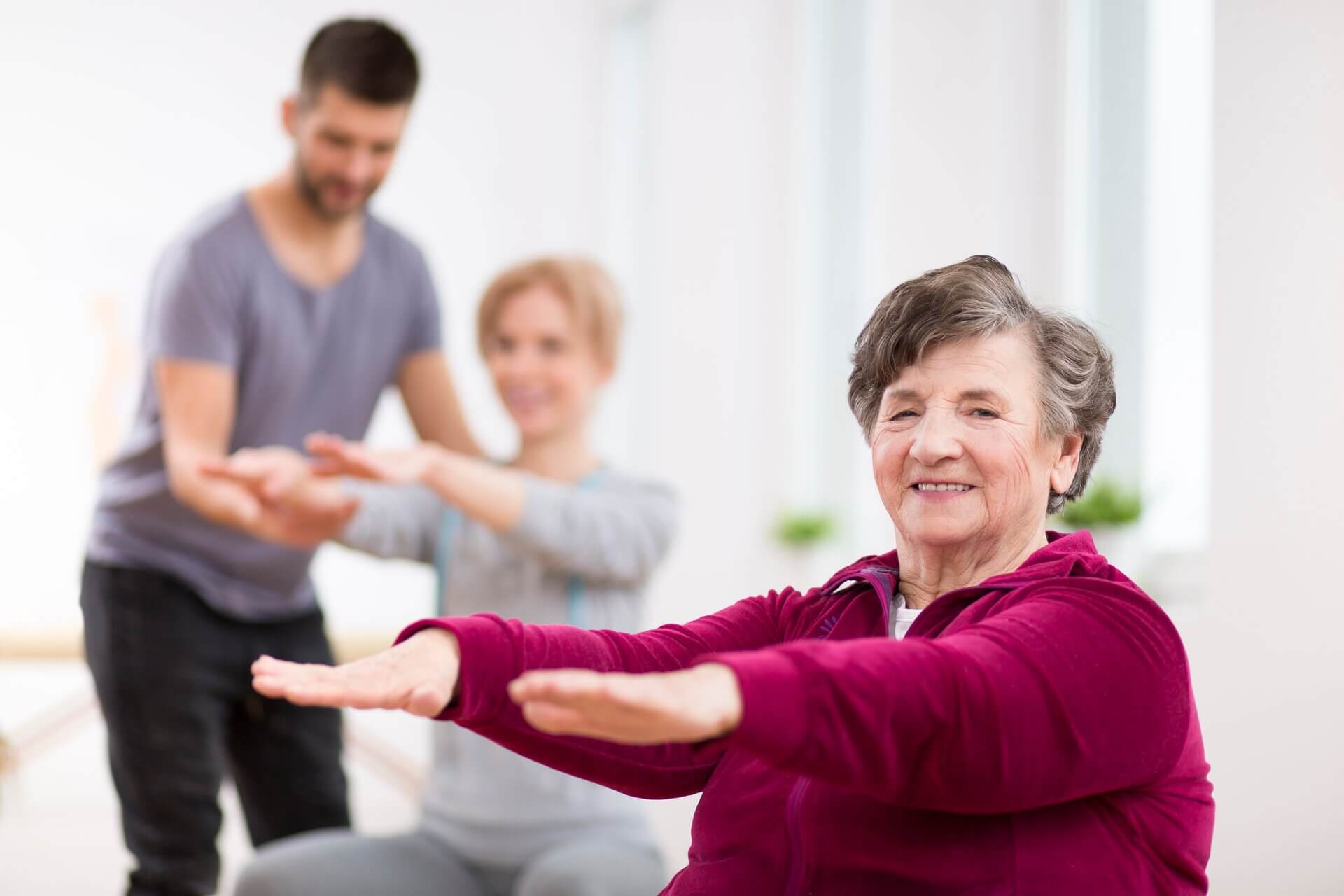
Osteoarthritis (OA) is one of the most common chronic joint conditions, affecting millions of individuals worldwide.
Among the joints most commonly impacted are the hips and knees, which play a vital role in mobility, balance, and overall daily function.
For those living with hip or knee osteoarthritis, the journey often involves pain, stiffness, and reduced quality of life.
However, physiotherapy classes focused on osteoarthritis management can help to empower individuals to regain mobility and take control of their symptoms.
What is hip and knee osteoarthritis?
Osteoarthritis is commonly referred to as a ‘wear-and-tear’ condition.
It occurs when the protective cartilage cushioning the ends of bones in your joints deteriorates over time.
For weight-bearing joints like the hips and knees, this can lead to significant discomfort, inflammation, and restricted movement.
Symptoms like joint pain, swelling, and stiffness can lead to muscle weakness and reduced activity levels if not adequately managed.
This degenerative process is irreversible, but proactive measures can help.
With physiotherapy, not only can you slow the progression of OA but it can substantially decrease the pain and improve the function of the joints.
How tailored exercise classes can help
While individual physiotherapy sessions can provide tailored treatment, group-based physiotherapy classes for osteoarthritis management specifically focus on empowering people through structured exercises, education, and peer support.
Here’s why they can be effective:
1. Strengthening muscles around the joint
Strong and well-conditioned muscles play a critical role in alleviating the stress placed on osteoarthritic joints.
Physiotherapy classes are designed to strengthen key muscle groups around the hip and knee joints, such as the quadriceps, hamstrings, and gluteals, which can improve joint stability and reduce pain.
2. Improving joint mobility
Osteoarthritis often limits flexibility and range of motion, making everyday movements like bending or walking difficult.
Specialised stretching and mobility exercises practiced in classes help maintain and enhance joint flexibility, ensuring that stiffness doesn’t prevent you from enjoying daily activities.
3. Pain management
It may seem counterintuitive, but the right type and volume of exercise can actually reduce chronic joint pain.
Movement encourages the circulation of synovial fluid (a natural lubricant in the joint) and reduces inflammation.
Physiotherapists guide participants through carefully selected movements that don’t overstrain an already compromised joint.
4. Education and self-management tools
Physiotherapy classes often go beyond exercise.
Participants are educated on proper posture, biomechanics, and day-to-day joint care that minimises pain and prevents flare-ups.
Learning how to protect your joints while performing daily activities, such as climbing stairs or carrying groceries, is an integral part of these sessions.
5. Social support and motivation
Living with osteoarthritis can be isolating, especially when pain leads to reduced mobility and fewer social engagements.
Group physiotherapy classes foster camaraderie and shared understanding among participants.
The opportunity to connect with and support others on the same journey can uplift spirits and increase motivation.
Programs for long-term activity
Unlike generalised exercises, osteoarthritis-focused physiotherapy classes are tailored to meet the needs of people dealing with joint degeneration.
Certified physiotherapists assess individuals’ specific needs and assign targeted exercise routines that align with the severity of the condition.
Participants are encouraged to progress at their own pace, minimising the risk of injury or setbacks.
These programs also teach participants how to integrate learned exercises into their daily routines for sustainable management of osteoarthritis.
The importance of physiotherapy and exercise in preventing further damage
An often-overlooked reason for managing osteoarthritis proactively is the prevention of further joint damage.
Unmanaged symptoms can lead to reduced activity levels, which in turn can accelerate muscle atrophy and joint degeneration.
Physiotherapy classes equip individuals with the tools to control pain, stay active, and minimise additional wear and tear.
Hip and knee classes provide the tools, support, and guidance you need to take control of your condition—in a fun and active group environment.


 Open Hours