
 Clinic Home
 Find another clinic
 Lifecare home
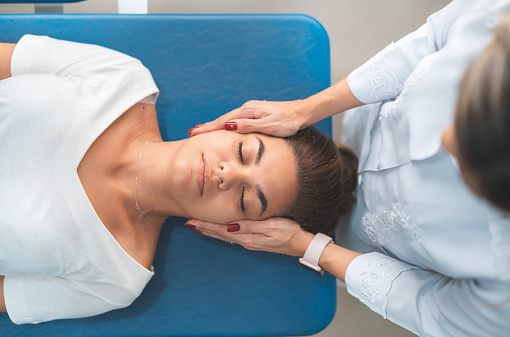
For many Australians, winter means heading to Perisher, Thredbo, or Mount Buller. While skiing and snowboarding are excellent ways to stay active, they also carry a risk of concussion. Knowing how concussion happens, recognising the warning signs, and seeking the right care can help you recover safely and return to the slopes with confidence.
Concussion is a type of mild brain injury that occurs when a force causes the brain to move suddenly inside the skull. This can happen after a direct hit to the head, but it can also occur after a fall, collision, or sudden movement of the body that causes the head and neck to accelerate quickly. Most people recover within two to four weeks, but some experience ongoing symptoms such as
- Headaches
- Dizziness
- Balance difficulties
- Neck pain
- Sensitivity to light
- Fatigue
- Problems with concentration
Current Australian guidelines recommend early recognition, stopping activity immediately after a suspected concussion, medical assessment when required, and a gradual return to normal activities and sport.¹
Concussion is one of the more significant injuries that can occur in skiing and snowboarding. Recent research estimates that concussion occurs at a rate of approximately 0.5 to 1.9 concussions per 1,000 skier days, although rates vary between studies depending on the type of skier, injury reporting methods, and how concussion is diagnosed.²,³ The true number may be higher because some people continue skiing after a head injury or do not recognise that their symptoms are related to concussion.
Several factors can increase the risk of concussion while skiing:
- Faster speeds
- More challenging terrain
- Terrain parks
- Jumps
- Icy conditions
- Poor visibility
Younger skiers, particularly teenagers and young adults, appear to be at greater risk. Collisions with trees, lift infrastructure, and other skiers are associated with some of the more serious head injuries seen on the slopes.
Wearing a helmet is an important part of staying safe while skiing. Helmets significantly reduce the risk of skull fractures and severe head injuries, but they cannot completely prevent concussion. This is because concussion can occur from the rapid movement of the brain inside the skull caused by sudden changes in speed and direction. Current research supports helmet use as an important injury prevention measure, while recognising that helmets are only one part of reducing concussion risk.⁴
Although Australian ski resorts are smaller than many international alpine destinations, concussion remains an important health issue. Data from the Australian Institute of Health and Welfare show that sport contributes to a significant proportion of concussion-related hospitalisations. Young people, particularly males aged 15 to 24 years, experience some of the highest rates of concussion requiring hospital care. However, many concussions are never reported or treated in hospital, meaning the true number of injuries is likely higher.⁵
The way concussion is managed has changed significantly over the past decade. In the past, people were often advised to rest completely until symptoms resolved. Current evidence shows that prolonged rest may delay recovery for some people. Instead, guidelines recommend a short period of relative rest for the first 24 to 48 hours, followed by a gradual return to everyday activities and carefully prescribed exercise. Research suggests that appropriately guided exercise can help reduce recovery time and lower the risk of persistent symptoms.⁶
Physiotherapy can play an important role in concussion recovery, particularly when symptoms continue beyond the expected recovery period. A concussion physiotherapy assessment may look at
- Balance
- Neck function
- Eye movements
- Vestibular system (inner ear balance system)
- Tolerance to exercise.
Treatment is tailored to each person and may include vestibular rehabilitation for dizziness and balance problems, neck treatment, graded exercise, and guidance on safely returning to sport. For skiers, this helps ensure they are prepared for the physical and visual demands of returning to the mountain. This active approach to rehabilitation is supported by current international guidelines and research.⁶,⁷
If you experience a head injury while skiing, it is important not to continue skiing that day. Continuing to ski while concussed increases the risk of further injury and may prolong recovery. Early assessment and appropriate rehabilitation can help you understand your symptoms, recover effectively, and safely return to the activities you enjoy.
For Australian skiers preparing for the winter season, concussion awareness is an important part of staying safe on the mountain. Recognising the signs early and seeking evidence-based physiotherapy when needed can make a meaningful difference to recovery.
References
- Australian Sports Commission. Australian Concussion and Brain Health Position Statement 2024. Available at: https://www.ausport.gov.au/concussion
- Burtscher M, Gatterer H, Flatz M, et al. Epidemiology of head injuries and concussion in alpine skiing and snowboarding: a systematic review. Sports Medicine. 2024.
- Hagel BE, Pless IB, Goulet C, et al. The epidemiology of skiing and snowboarding injuries. Sports Medicine. 2015.
- Haider MN, Leddy JJ, Wilber CG, et al. The role of helmets in preventing head injuries in skiing and snowboarding: a systematic review. British Journal of Sports Medicine. 2022.
- Australian Institute of Health and Welfare. Concussions. Canberra: AIHW; 2024. Available at: https://www.aihw.gov.au/reports/australias-health/concussions
- Patricios J, Schneider KJ, Dvorak J, et al. Consensus Statement on Concussion in Sport: the 6th International Conference on Concussion in Sport, Amsterdam, October 2022. British Journal of Sports Medicine. 2023;57:695-711.
- Leddy JJ, Haider MN, Ellis MJ, et al. Early targeted rehabilitation following sport-related concussion: current evidence and clinical recommendations. British Journal of Sports Medicine. 2023.
Seth Corwin
Physiotherapist


 Open Hours