
 Clinic Home
 Find another clinic
 Lifecare home
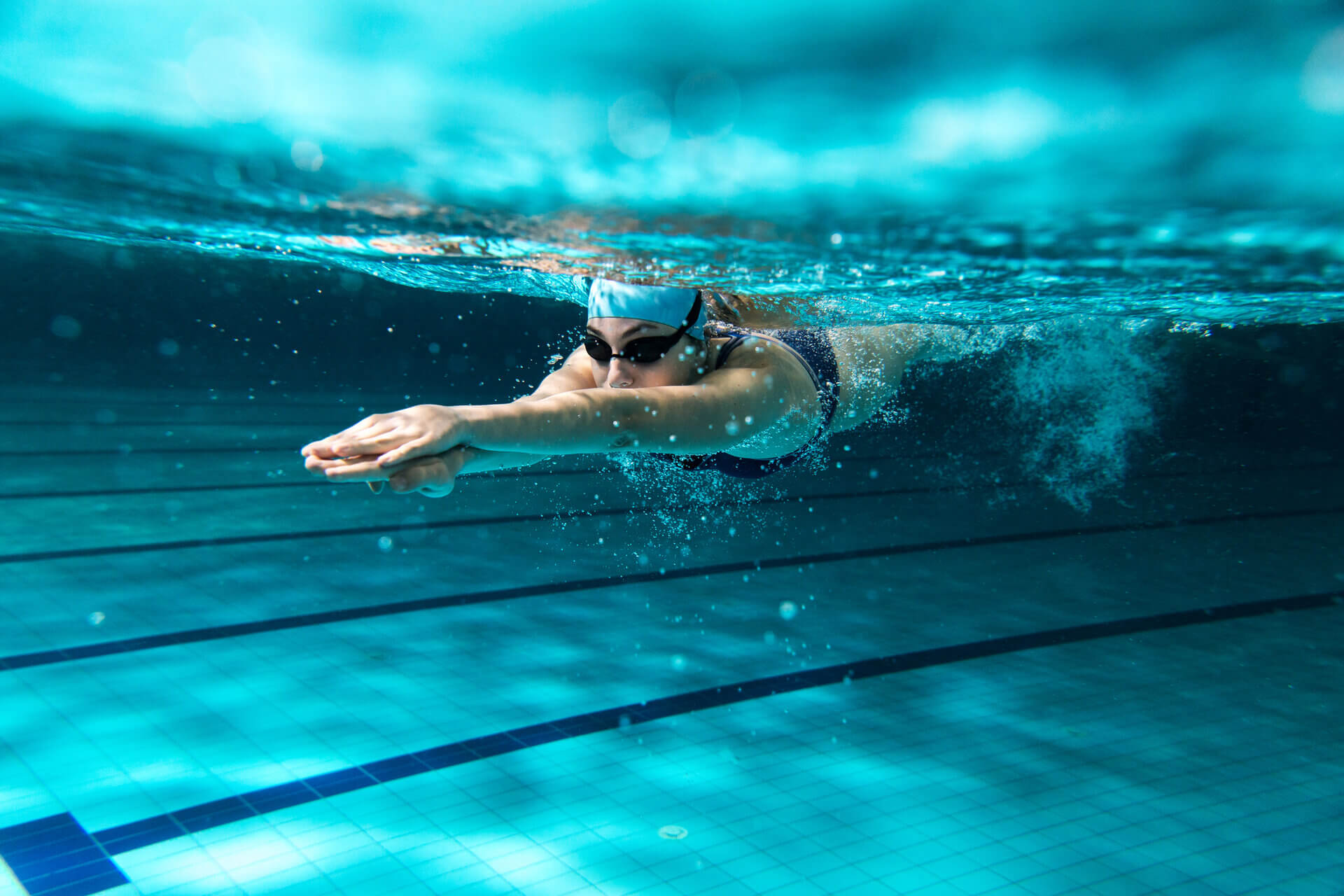
Swimming is one of the most rewarding full-body workouts. Whether you’re gliding through the 50-metre Olympic pool, relaxing in the hydrotherapy pool, or learning to swim for the first time, the benefits are undeniable: improved cardiovascular fitness, joint-friendly exercise, and a sense of calm that only water can provide. But with these benefits there are injury risks, so here’s some simple advice for — keeping your body strong and mobile to reduce the risk of common injuries like shoulder pain and lower back strain.
At Lifecare Cockburn, located in the heart of the Cockburn ARC, we’re dedicating November to Swimmers Month. This blog will share practical tips on shoulder mobility, lower back health, and dryland strength exercises to help you swim better and reduce the risk of injury.
Why Shoulder Health Matters for Swimmers
Did you know up to 91% of swimmers experience shoulder pain at some point in their training? This condition, often called swimmer’s shoulder, stems from repetitive overhead movements, muscle fatigue, and poor scapular control. When your rotator cuff and shoulder blade stabilisers aren’t strong enough, the humerus can ride up and pinch tendons, leading to pain and inflammation.
Tips for Shoulder & Thoracic Mobility
Healthy shoulders require both flexibility and control. Here are some simple mobility drills you can do at home or poolside:
- Wall Angels
Stand with your back against a wall, arms bent at 90 degrees. Slowly slide your arms upward into a “Y” position, keeping contact with the wall. This improves scapular mobility and posture. - Scapular Push-Ups
In a plank position, keep your elbows straight and move your shoulder blades together and apart without bending your arms. This strengthens the serratus anterior and promotes shoulder stability. - Foam Roller Thoracic Extensions
Lie on a foam roller placed under your upper back. Support your head and gently extend over the roller to improve thoracic spine mobility, which is crucial for efficient arm recovery in freestyle. - Bow and Arrow Stretch
Lie on your side with knees bent at 90 degrees and arms extended in front of you, palms together. Slowly slide your top arm across your body, rotating your upper torso and head to follow the arm, as if drawing a bow. Keep knees stacked and hips stable. Hold for 20–30 seconds, repeat 5–8 reps per side. This improves thoracic rotation and opens the chest and shoulders.
These exercises not only reduce stiffness but also enhance stroke mechanics, making your swimming more efficient and less stressful on the joints.
Lower Back Health: Protect Your Core in the Pool
Swimming is often recommended for back pain because water supports up to 90% of your body weight, reducing spinal load. However, certain strokes—especially butterfly and breaststroke—can cause lumbar hyperextension, leading to discomfort or even injuries like spondylolysis.
Common Causes of Swimmer’s Back
- Poor Technique: Excessive arching during breathing or flip turns.
- Weak Core Muscles: Without a strong core, your lower back compensates for hip extension during kicking.
- Ineffective Kick Due to Weak Leg Muscles: When glutes and hamstrings lack strength, the kick becomes inefficient, forcing the lower back to overwork and increasing strain.
Tips for a Healthy Back
- Mix Your Strokes
Alternate freestyle with backstroke to reduce repetitive strain. - Streamline Your Flip Turns
Avoid twisting during push-off. Keep hips and knees at 90 degrees for a neutral spine. - Core Strengthening
Exercises like bird-dogs, dead bugs, and planks help stabilise the spine and pelvis. - Warm-Up and Cool-Down
Dynamic stretches for hips and thoracic spine before swimming can prevent compensatory movements.
If you experience persistent back pain, consider starting with aquatic therapy in the hydrotherapy pool, which offers gentle resistance and warmth for muscle relaxation.
Dryland Strength Training: Your Secret Weapon
Dryland training is essential for swimmers of all levels. It builds strength, improves mobility, and reduces injury risk. Think of it as the foundation for powerful strokes and efficient turns.
Key Exercises for Swimmers
- Lat Pull-Downs
Simulate the pulling motion of freestyle and butterfly while strengthening the lats and upper back. Aim for 3 sets of 10–12 reps. - Shoulder Pull-Throughs
Using a resistance band or cable, pull through from overhead to hip level in a controlled motion. This reinforces shoulder stability and mimics the underwater pull phase. - Deadlifts
Strengthen the posterior chain—hamstrings, glutes, and lower back—for explosive starts and streamlined positions. - Squats and Lunges
Develop leg power for strong kicks and push-offs. - Core Circuit
Include resisted trunk rotation (using a band or cable for rotational strength) and tabletop leg lifts to improve core stability and maintain body alignment in the water. - Rotator Cuff Strengthening
Perform resisted shoulder external and internal rotations with exercise bands to protect the shoulders and enhance stroke efficiency.
Dryland sessions should be done 2–3 times per week, complementing your pool workouts. Always start with dynamic stretches like arm swings and trunk twists to prepare your joints.
Putting It All Together
Swimming is more than just laps in the pool—it’s a synergy of mobility, strength, and technique. By prioritising shoulder health, protecting your lower back, and incorporating dryland exercises, you’ll not only swim faster but also reduce the risk of injury and enjoy the water with confidence.
If you’re experiencing shoulder or back discomfort, don’t ignore it. Our physiotherapists at Lifecare Cockburn can assess your technique, prescribe tailored exercises, and guide you back to optimal performance.
Ready to dive in? Book an appointment today and make the most of Swimmers Month. Your body will thank you, and your swimming will reach new heights.


 Open Hours