
 Clinic Home
 Find another clinic
 Lifecare home
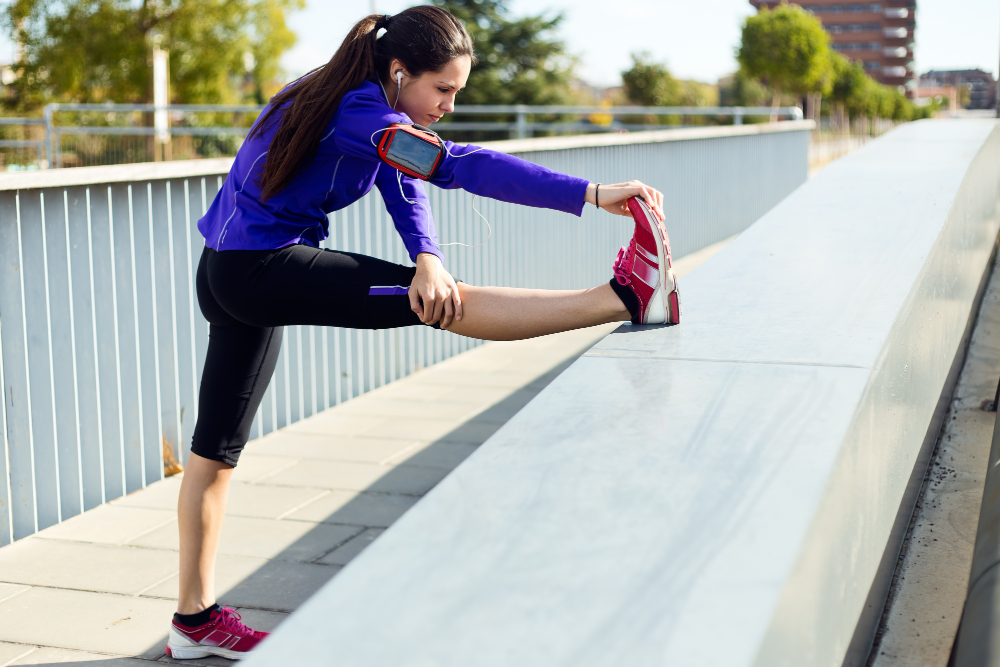
If you’ve ever had a hamstring injury, you’ll know how frustrating it can be. You might feel like you were “almost back,” only to pull up sore again when you return to running, training, or competition.
At Lifecare Willetton, hamstring injuries are something we see regularly; in runners, footballers, weekend athletes, and everyone in between. The good news? With the right rehabilitation and objective testing, most hamstring injuries can be managed well and returned to sport more safely.
Why Are Hamstring Injuries So Common?
Hamstring strains are one of the most common injuries in sports that involve:
- Sprinting
- Sudden acceleration or stopping
- Kicking
- Changing direction
Sports like football, soccer, rugby, basketball, and athletics place high demands on the hamstrings, especially during high‑speed running.
What catches many people out is that around one in four hamstring injuries happens again, often soon after returning to sport. This usually isn’t bad luck, it’s a sign that the hamstring wasn’t quite ready for the demands placed on it.
Why Do Hamstrings Re‑Injure So Easily?
The hamstrings work hardest when they are:
- Producing force
- While lengthening
- At high speeds
This happens when you sprint, chase down a ball, or open your stride while running. Even if pain has settled, the muscle may still be:
- Weaker than the other side
- Not strong enough at longer muscle lengths
- Not tolerant to sprinting or fatigue
That’s why simply “resting until it feels better” often isn’t enough.
What Does Hamstring Rehab Look Like at Lifecare Willetton?
Rehabilitation isn’t just about settling pain — it’s about rebuilding confidence, strength, and performance.
Your rehab program typically includes:
✅ Progressive Strength Training
We focus on rebuilding hamstring strength gradually, especially in positions that reflect how injuries occur. This includes:
- Controlled strength work early on
- Progressing to heavier and more challenging exercises
- Training the hamstring at longer muscle lengths, which is important for injury prevention
✅ Gradual Return to Running
Running is reintroduced step by step:
- Easy jogging
- Faster running and acceleration
- High‑speed sprinting when appropriate
This progression helps your hamstring adapt safely, rather than being shocked by sudden game‑day demands.
✅ Whole‑Body Approach
The hamstrings don’t work alone. We also look at:
- Hip strength
- Trunk and pelvis control
- Running mechanics
This ensures your body is sharing the load properly.
How Do We Know When You’re Ready to Return to Sport?
This is where many rehabs fall short. Feeling “okay” doesn’t always mean your hamstring can cope with the stress of sport.
At Lifecare Willetton, we use objective return to sport testing to guide this decision.
In‑Clinic Testing with VALD: Taking the Guesswork Out
We use VALD Performance technology, including DynaMo and ForceDecks, to assess how ready your body really is.
🔹 VALD DynaMo – Measuring Strength Accurately
The DynaMo allows us to measure hamstring strength objectively, rather than guessing based on feel. We can assess:
- Side‑to‑side strength differences
- How strong the injured hamstring is compared to normative values
- Whether you’re producing enough force to meet sport demands
This helps ensure you’re not returning with hidden weaknesses.
🔹 ForceDecks – Measuring How You Move and Load
ForceDecks measure how you produce and absorb force through the legs during tasks like jumping and landing. They help us identify:
- Compensation patterns
- Uneven loading between legs
- Deficits that might increase reinjury risk
Why This Testing Matters for You
Objective testing helps us:
- Reduce the risk of reinjury
- Progress rehab more confidently
- Make better return‑to‑sport decisions
- Give you confidence that your body is ready
Instead of relying on time frames alone (for example, “it’s been 4–6 weeks”), we base decisions on how your body is actually performing.
Returning Stronger, Not Just “Recovered”
Hamstring rehab doesn’t end the moment you return to training. Ongoing strength work and running exposure play a big role in keeping your hamstrings resilient over the long term.
Our aim at Lifecare Willetton is not just to get you back playing — but to help you return:
- Stronger
- Faster
- More confident
- Better prepared than before your injury
Need Help with a Hamstring Injury?
If you’ve had:
- A recent hamstring strain
- Recurrent hamstring issues
- Or you’re unsure if you’re ready to return to sport
Our physiotherapy team at Lifecare Willetton can guide you through assessment, rehabilitation, and return‑to‑sport testing using the latest performance technology.


 Open Hours