
 Clinic Home
 Find another clinic
 Lifecare home
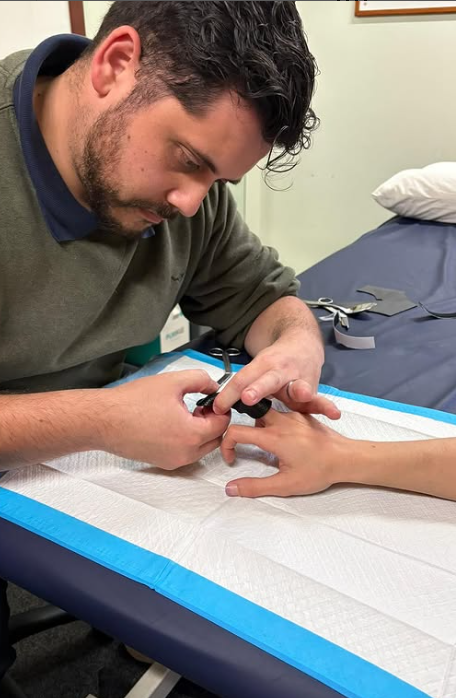
Thermoplastic splinting is a widely used technique in physiotherapy and hand therapy, especially for managing wrist, finger and hand injuries.
It involves the use of low-temperature thermoplastic materials that soften when heated to around 57-82°C and harden as they cool, allowing therapists to mould them directly to the patient’s limb for a precise and comfortable fit.
Common applications: wrist and hand splints
Thermoplastic splints are most commonly applied to the wrist, hand, fingers, and thumb, where anatomical precision is essential for effective immobilisation and functional recovery.
Benefits over braces and plaster casts
Compared to generic braces and plaster casts, thermoplastic splints offer several key advantages:
- Custom fit: Each splint is individually fabricated to suit the patient’s specific injury, anatomy, and functional needs.
- Re-mouldable: Can be reheated and adjusted as swelling reduces or range of motion improves.
- Water-resistant: Easier to clean and maintain than plaster.
- Targeted support: Immobilises only the necessary joints, preserving movement elsewhere.
- Lightweight and durable: Comfortable for long-term wear and daily activities.
- Sport-friendly: Can be designed to protect and support injuries during return to sport, helping athletes recover while staying active.
Who makes thermoplastic splints?
These splints are typically fabricated by physiotherapists, occupational therapists, and certified hand therapists trained in upper limb rehabilitation and splinting techniques.
Common injuries treated with thermoplastic splints
Thermoplastic splints are ideal for managing a range of non-surgical and soft tissue injuries, including:
- Non-surgical fractures of the wrist, hand, and fingers including:
- Thumb fractures
- Metacarpal and Phalangeal Fractures
- Volar plate injuries
- Mallet finger
- Scaphoid fractures
- Thumb sprains and OA
- Finger sprains
- Wrist sprains
- Repetitive strain injuries (RSIs) such as tendinopathies or tenosynovitis
These splints help reduce pain, protect healing tissues, and support functional recovery by maintaining optimal joint positioning.
Need a custom splint?
Book in with Richard Abrugiato at Lifecare Willetton for expert assessment and custom thermoplastic splinting tailored to your injury and lifestyle needs. Whether you’re recovering from a sprain or preparing to return to sport, Richard can help you heal with confidence.


 Open Hours