

 Clinic Home
 Find another clinic
 Lifecare home
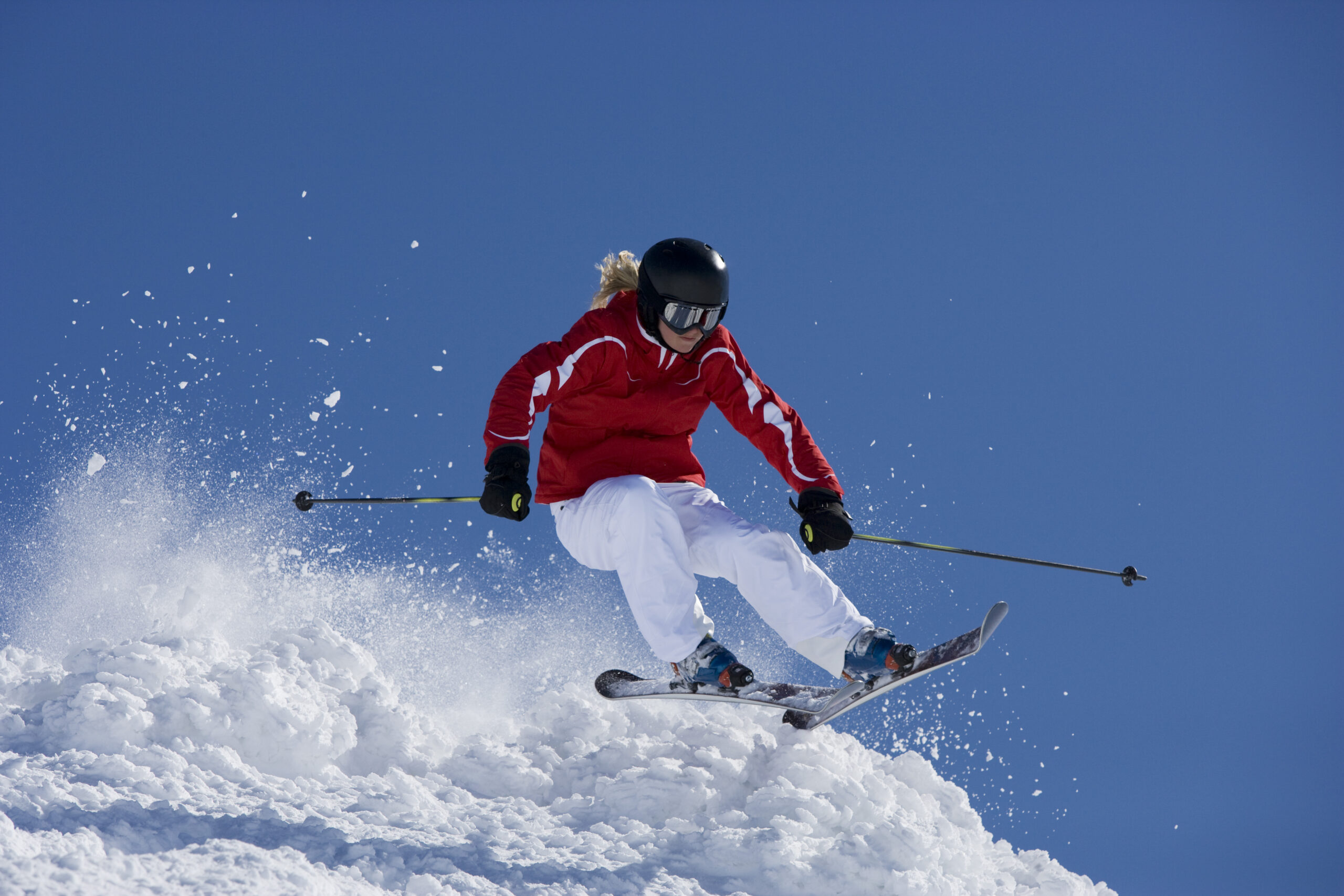
Lindsey Vonn’s crash during a top‑level alpine skiing event has sparked a lot of conversation about knee stability and decision‑making after serious ligament injuries. Vonn is widely regarded as one of the greatest downhill skiers in history, with victories across multiple alpine disciplines, including downhill, super‑G, giant slalom, slalom, and a combined format. Her career illustrates both the heights of elite performance and the realities of managing significant injuries over time.
Could an athlete compete so soon after an ACL rupture?
It has been widely reported that she sustained a complete anterior cruciate ligament (ACL) rupture and had previously undergone a partial knee replacement. Competing in elite alpine skiing under those circumstances raises complex clinical and risk‑management questions.
The ACL: structure, function, and why it matters
The anterior cruciate ligament (ACL) is one of the primary stabilisers of the knee. It helps prevent the tibia (shinbone) from translating too far forward relative to the femur (thighbone) and contributes to control in side‑to‑side and rotational movements. By limiting these motions, the ACL helps protect other knee structures such as the meniscus and the hyaline (articular) cartilage.
How ACL injuries happen
ACL ruptures typically require substantial force and are most common in sports involving rapid changes of direction, pivoting, deceleration, and twisting. It is well documented that sports such as Australian Rules Football (AFL), Netball and Skiing have some of the highest incidence of ACL injury of any sports. High‑speed alpine is particularly high risk, as it involves high velocity turns on variable terrain, that is often difficult to see. The injury can occur in isolation or alongside damage to other ligaments, as well as meniscal and cartilage tissues.
Why instability matters
Without an intact or adequately compensated ACL, many people experience episodes of giving‑way or loss of control during sudden movements. That instability can increase the risk of secondary damage to the meniscus and cartilage – injuries that are strongly associated with long‑term joint issues and earlier onset osteoarthritis.
Surgery, bracing, and rehabilitation – how athletes get back
For decades, a complete ACL rupture often ended in severely limited athletic careers. ACL reconstruction-replacing the torn ligament with a graft-changed that trajectory. With skilled surgery and a structured, progressive rehabilitation program, many athletes return to high‑level sport. Rehabilitation typically spans 12 months, and re‑injury remains a known risk factor.
Does surgery have trade‑offs?
Some research suggests that repeated knee surgeries may contribute to degenerative changes in the joint over time. however, repeated damage that may occur without surgery also has clear evidence of causing long term joint degeneration.
Bracing and taping
Despite many attempts, braces and strapping have extremely limited ability to compensate the ACL’s full stabilising role in sport. They can improve proprioception (joint position sense) and confidence, but they don’t fully prevent the high‑risk movements and stresses placed on the knee during cutting or high‑speed turns.
The rise of non‑operative care
In recent years, there’s been growing emphasis on comprehensive, rehabilitation for ACL‑injures to avoid surgery. Carefully designed programs can strengthen the surrounding musculature and improve movement control to reduce the risk of re-injuring a knee after ACL tear. This approach shows promise for selected patients, but it doesn’t eliminate risk-and it may not be suitable for everyone.
Emerging research
There is ongoing research in Australia exploring whether early, highly specific bracing might facilitate healing responses in some ACL tears-an idea once thought unlikely. Clinicians such as Lifecare’s Jane Rooney are among those contributing to this evolving evidence base. As results mature, they may influence how certain ACL injuries are managed in the future.
Would any of this have changed Vonn’s outcome?
When discussing an elite athlete facing a fresh ACL rupture shortly before a major event, it’s important to acknowledge both the exceptional capabilities of top performers and the exceptional risks of their sports. At high speeds, even minimal losses in knee control can have consequences-especially on steep, variable terrain where precise edging and weight transfer are essential.
Even with world‑class conditioning, medical guidance, and external supports (such as a robust knee brace), not all movements can be controlled in real time. Acute swelling, pain inhibition, and altered proprioception after recent injury or prior joint surgery, can further challenge control of the knee joint. In those conditions, the risk is not limited to the knee-falls at speed can lead to other traumatic injuries, including fractures, which then require urgent care and surgical stabilisation.
What this means for the rest of us
- Don’t ski (or return to pivoting sports) on a freshly injured knee. The risk of further damage-both to the injured knee and to other parts of the body-increases substantially.
- Get a thorough assessment. A surgeon, sports‑medicine doctor and physiotherapist working together is the best way to help determine whether surgical or non‑surgical management is appropriate for your goals, anatomy, and sport.
- Commit to preparation. A targeted, progressive exercise program that builds strength, balance, and movement control is one of the most reliable ways to reduce injury risk before you go skiing, or after you head back after any injury to the slopes (or the field/court).
- Respect timelines. High‑quality recovery takes time, and proper rehabilitation takes time. Rushing back too soon can turn a manageable injury into a more significant and severe ongoing problem.
The bottom line
risk-choices shaped by personal factors, timing, and expert advice. For most people, competing or training intensely after a complete ACL rupture is extremely unwise. With the advances in modern surgery and physiotherapy rehabilitation, many individuals recover well and return to the activities they love-but doing so safely depends on accurate diagnosis, an individualized plan, and disciplined rehab.
Need guidance? Book an appointment at your local Lifecare centre. Our clinicians can assess your knee, explain your options, and build a program tailored to your goals.


 Open Hours