

 Clinic Home
 Find another clinic
 Lifecare home

Shin splints are a common complaint among active Australians, especially runners, gym-goers, and weekend warriors. If you’ve ever felt a dull ache or sharp pain along the front of your lower leg after exercise, you might be dealing with this frustrating condition. But here’s the good news: with the right strength training approach and physiotherapy guidance, shin splints can be managed—and often prevented.
In this blog, we’ll explore what shin splints are, why they occur, and how strength training plays a vital role in recovery and prevention. Whether you’re training for your first 5K or simply trying to stay active, understanding this condition can help you stay on track without pain.
What are shin splints?
Shin splints, medically known as medial tibial stress syndrome (MTSS), refer to pain along the inner edge of the shin bone (tibia). This pain typically arises due to repetitive stress on the shinbone and the connective tissues that attach muscles to bone.
Common symptoms include:
- A dull ache or sharp pain along the lower leg
- Tenderness or soreness when pressing on the shin
- Pain that worsens with activity and improves with rest
Shin splints are especially prevalent in runners, dancers, and athletes who engage in high-impact or repetitive lower limb activities.
What causes shin splints?
Several factors contribute to the development of shin splints:
- Running on hard or uneven surfaces: This amplifies impact forces and can irritate the shinbone.
- Sudden increase in training load: Jumping into a new exercise routine or increasing intensity too quickly can overload the lower leg muscles.
- Poor biomechanics: Flat feet, overpronation, or unequal leg length can alter how forces are distributed through the legs.
- Inadequate footwear: Worn-out shoes or those lacking proper support can increase stress on the shins.
- Muscle imbalances: Weakness in the hips, glutes, or calves can shift excess load to the tibia.
- Running on hard or uneven surfaces: This amplifies impact forces and can irritate the shinbone.
The role of strength training in shin splint management
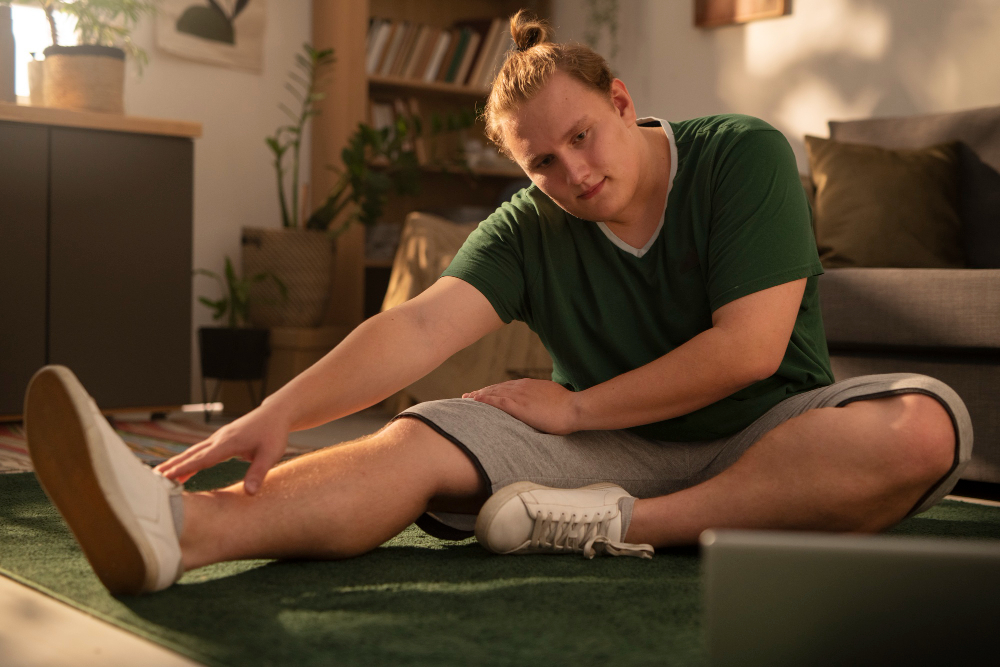
Strength training is a cornerstone of effective shin splint rehabilitation and prevention. It helps correct muscle imbalances, improve biomechanics, and build load tolerance in the lower limbs.
Here’s how targeted strength work can help:
1. Improving lower limb strength
Strengthening the calves, tibialis anterior, and intrinsic foot muscles reduces the strain placed on the shinbone during activity. Exercises like heel raises, toe walks, and resisted dorsiflexion are commonly prescribed by physiotherapists.
2. Enhancing hip and core stability
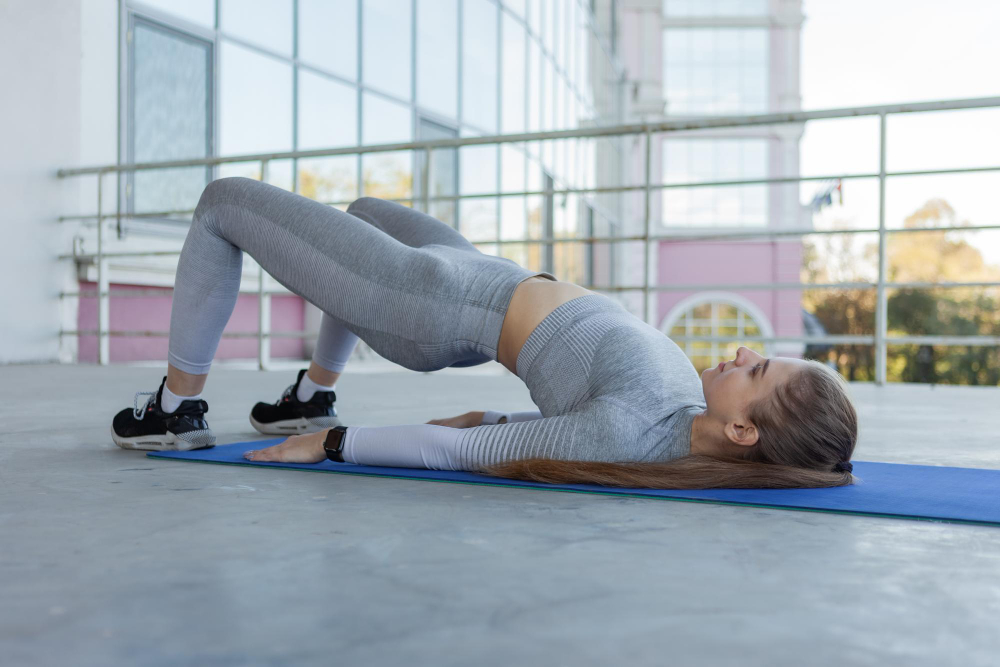
Weak glutes and core muscles can lead to poor lower limb alignment, increasing stress on the tibia. Incorporating exercises such as glute bridges, clamshells, and planks can improve overall movement control.
3. Correcting biomechanics
Strength training helps retrain movement patterns. For example, improving single-leg control through lunges and step-ups can reduce overpronation and improve shock absorption.
4. Gradual load progression
A structured strength programme allows the body to adapt to increasing demands. This is crucial for preventing recurrence and safely returning to sport or activity.
Physiotherapy and individualised treatment
Physiotherapists play a key role in diagnosing and managing shin splints. A thorough assessment will typically include:
- Gait analysis and foot alignment
- Muscle strength and flexibility testing
- Review of training habits and footwear
- Identification of biomechanical contributors
Treatment may involve:
- Activity modification to reduce aggravation
- Soft tissue therapy (massage, dry needling)
- Taping or orthotics if needed
- A tailored strength and conditioning programme
Importantly, physiotherapy is not just about symptom relief—it’s about addressing the root cause to prevent future flare-ups.
Sample strength exercises for shin splints
Here are a few beginner-friendly exercises often recommended in private practice:
| Exercise | Target Area | How to Perform |
| Calf Raises | Gastrocnemius & Soleus | Stand on a step, raise heels, lower slowly |
| Toe Taps | Tibialis Anterior | Sit with feet flat, lift toes repeatedly |
| Glute Bridges | Glutes & Core | Lie on back, lift hips, squeeze glutes |
| Clamshells | Glute Medius | Lie on side, knees bent, lift top knee |
| Step-Ups | Quads & Glutes | Step onto a box, drive through heel |
Always consult your physiotherapist before starting a new exercise routine, especially if you’re recovering from injury.
Prevention tips for shin splints
To keep shin splints at bay, consider these practical tips:
- Warm up properly before exercise with dynamic movements
- Progress training gradually, especially when increasing distance or intensity
- Replace worn-out shoes and choose footwear suited to your foot type
- Include strength training 2–3 times per week
- Cross-train with low-impact activities like swimming or cycling
- Listen to your body—pain is a signal, not a challenge
When to seek help
If shin pain persists for more than two weeks despite rest and self-care, it’s time to see a physiotherapist. Early intervention can prevent progression to more serious conditions like stress fractures or compartment syndrome.
Take the first step in your recovery
Shin splints can be a painful setback, but they’re not a life sentence. With the right combination of physiotherapy and strength training, most patients can return to their favourite activities stronger and more resilient than before.
If you’re struggling with shin pain, don’t wait. Book an appointment with your local physiotherapist and take the first step towards recovery.
References
- Australian Sports Physiotherapy – Physio for Shin Splints
- Aeon Health – Treating Shin Splints with Physiotherapy
- OnePoint Health – Effective Physiotherapy Treatment for Shin Splints


 Open Hours