
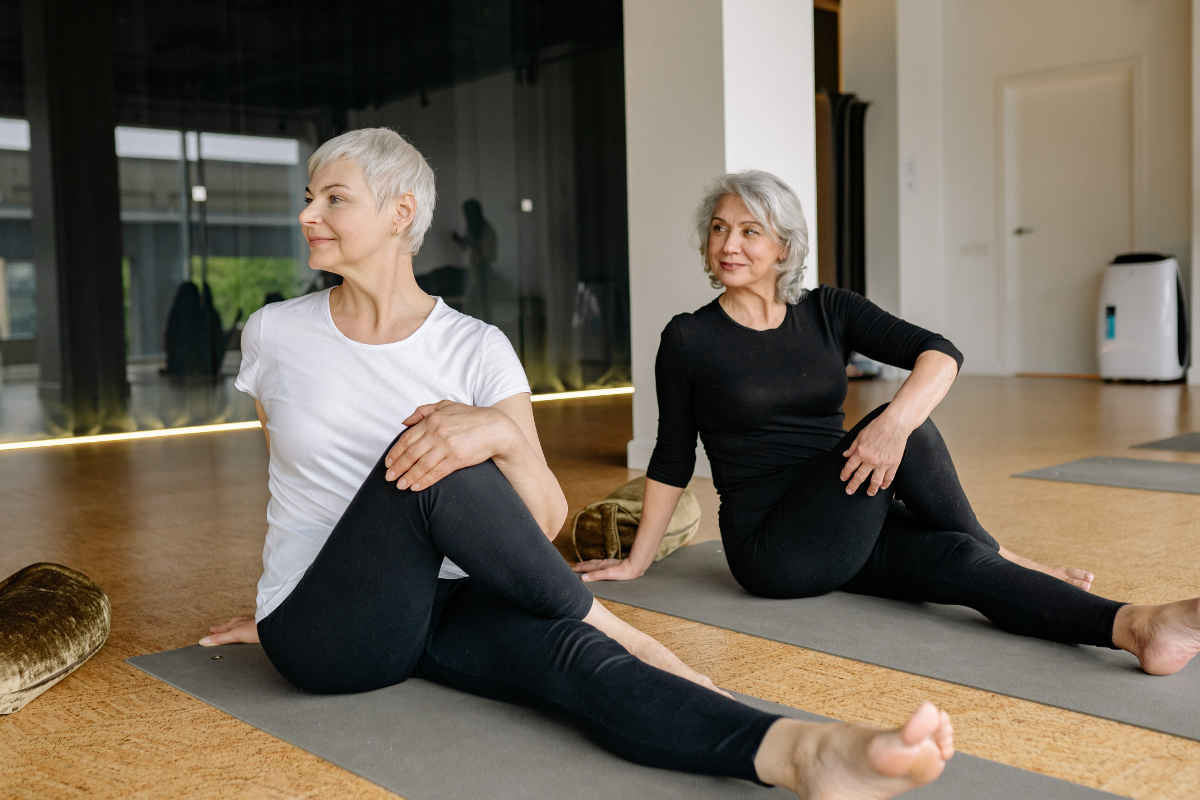
Perimenopause is the transitional phase before your periods stop for good. It commonly begins in your 40s, sometimes earlier, and can last several years. For many women it is a gradual and sometimes confusing shift. Cycles become irregular, hot flushes and night sweats appear, sleep becomes disrupted, mood feels less predictable, and energy levels dip.
Beyond these well known symptoms, perimenopause quietly changes the body’s tissues and systems in ways that affect how you move, how strong you feel, and how resilient your body is to everyday demands.
From a Lifecare pelvic health physiotherapist perspective, this stage of life is not simply about managing symptoms. It is an important opportunity to use targeted, evidence informed exercise for perimenopause to protect muscle, bone, cardiovascular health and pelvic floor function for the decades ahead.
What perimenopause does to the body
Perimenopause is driven by fluctuating and gradually declining oestrogen levels. That change affects multiple tissues.
Collagen and connective tissue
Oestrogen helps maintain collagen and elastin, the proteins that give connective tissue strength and elasticity. As levels decline, tendons, ligaments and fascia can become less resilient. This may present as joint stiffness, new aches, or a sense that the body feels less supple than before.
Muscle mass and strength
From midlife onwards, lean muscle mass gradually declines. In relatively inactive adults, estimates suggest around 3 to 5 percent loss per decade after age 30. Even active individuals may notice some change.
Loss of muscle mass reduces strength, slows metabolism, and makes daily tasks more demanding. Over time, it also increases fall risk.
Bone density
Bone is living tissue that responds to hormones and mechanical load. Declining oestrogen accelerates bone loss, increasing the risk of osteopenia and osteoporosis. Reduced muscle strength combined with lower bone density increases fracture risk later in life.
Pelvic floor function
The pelvic floor is made up of muscle and connective tissue that supports the pelvic organs and assists with bladder and bowel control.
Hormonal changes may affect collagen quality and muscle performance. Some women develop pelvic floor dysfunction, which may present as:
- Leakage
- Vaginal heaviness or dragging
- Pelvic pain
- Overactivity or difficulty relaxing
- Coordination issues
Pelvic floor changes are common, but they are not inevitable. Assessment by a pelvic health physiotherapist helps determine what is happening and what support is needed.
Cardiovascular risk
Oestrogen plays a protective role in cardiovascular health. As levels decline, the risk profile for heart disease shifts. Changes in body composition, activity levels and metabolic health during midlife can further influence this risk.

Why exercise for perimenopause matters
Exercise during perimenopause is not just about appearance or weight control. It directly counteracts many of the physiological changes occurring in the body.
Builds and preserves muscle
Progressive resistance training stimulates muscle protein synthesis, helping maintain or increase muscle mass and strength. This preserves independence, reduces fall risk, and supports long term metabolic health.
Loads bone appropriately
Bone responds to mechanical stress. Weight bearing activities and resistance training provide the stimulus bones need to maintain density.
Effective loading does not require extreme training. Squats, step ups, carries and appropriately progressed impact work are often sufficient when tailored correctly.
Improves nervous system control
Strength and balance training improve motor control, reaction time and proprioception. These factors are critical in reducing falls and maintaining efficient movement patterns.
Supports cardiovascular health
Cardiovascular training, particularly interval based work, improves heart and metabolic health efficiently. This is especially helpful during midlife when time and energy may be limited.
Optimises movement quality and pelvic floor coordination
Control focused exercise, including Clinical Pilates and targeted physiotherapy, improves breathing patterns, core coordination and pelvic floor timing. This reduces compensatory strategies such as breath holding or bearing down during lifts.
Supports tissue health
Exercise stimulates systemic and local growth factors that help maintain muscle and connective tissue quality, even as hormone levels fluctuate.
Put simply, exercise for perimenopause addresses the root drivers of physical decline. While it does not stop hormonal change, it is the most powerful tool available to preserve strength, resilience and long term health.
Why pelvic floor assessment matters in perimenopause
Pelvic floor dysfunction is common in midlife, but it is not the same for everyone. This is why a pelvic health assessment is important.
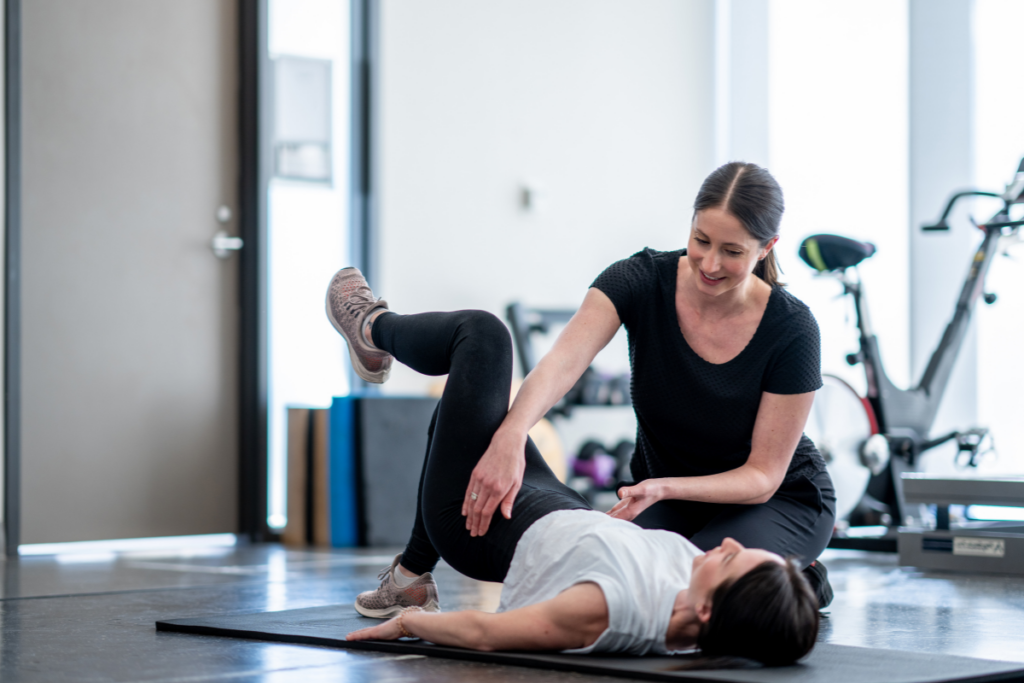
At Lifecare, a pelvic health physiotherapist assesses:
- Pelvic floor strength and endurance
- Coordination and relaxation
- Breathing mechanics
- Load tolerance during functional tasks
We may use real time ultrasound over the lower abdomen and, with informed consent, internal assessment to understand how the pelvic floor responds during movement.
This assessment determines whether higher load or impact exercise is appropriate immediately, or whether a period of retraining is required first.
Research and clinical experience show that many people perform pelvic floor contractions incorrectly when relying on verbal instruction alone. Some bear down rather than lift. Some over activate and struggle to relax. Others have reduced strength and endurance.
Individualised assessment ensures your exercise program supports, rather than stresses, pelvic floor health.
In some cases, temporary impact modification, specific retraining strategies, or discussion of support options such as a pessary may be appropriate under guidance from a qualified pelvic health physiotherapist.
Even without symptoms, assessment can be valuable when starting or progressing an exercise program in perimenopause.
What a sensible exercise approach looks like
The most effective exercise for perimenopause is blended, progressive and individualised.
1. Prioritise movement quality first
Develop competence in fundamental movement patterns such as squatting, hinging, pushing, pulling, lunging, rotating and stepping before adding heavy load.
2. Make strength training the foundation
Two to four full body resistance sessions per week form the backbone of an effective program. Focus on compound movements and progress load gradually over time.
3. Add weight bearing cardio and metabolic work
Brisk walking, stair climbing and structured interval sessions stimulate both bone and cardiovascular systems without requiring long sessions. Ten to twenty minutes of targeted intervals can be highly effective.
4. Include control and coordination training
Clinical Pilates and physiotherapy guided sessions refine breathing, posture and pelvic floor timing. These sessions focus on quality rather than intensity.
5. Train balance and dual task skills
Combining balance tasks with cognitive challenges improves nervous system efficiency and reduces fall risk.
6. Progress gradually
Increase load, complexity or intensity in small increments. Progression should be guided by performance and symptoms rather than a rigid timeline.
7. Reassess regularly
Every four to six weeks, review progress. If new symptoms such as leakage, heaviness or pain appear, pause progression and seek professional review.
Safety considerations and when to seek help
Exercise is powerful but requires attention to symptoms.
Seek physiotherapy advice if you notice:
- New or worsening vaginal heaviness or dragging
- New or worsening leakage during exercise
- Pain that does not settle with modification
- Excessive fatigue that persists after training
Early assessment and modification usually prevent long term setbacks.
Final thoughts
Perimenopause is a significant transition, but it does not mean inevitable decline.
A progressive, individualised approach to exercise for perimenopause protects muscle, bone and cardiovascular health while supporting pelvic floor function. Strength training should form the foundation, supported by weight bearing cardio, coordination work and balance training.
At Lifecare, our physiotherapists and pelvic health physiotherapists work with you to create a personalised plan that reflects your goals, symptoms and starting point.
With the right guidance, this stage of life can be one of strength, resilience and confidence.
Ready to start safely?
If you are entering perimenopause and would like guidance on exercise, pelvic floor health, or strength training, our team is here to help.
Book Online or Find Your Closest Clinic to begin your personalised plan with Lifecare.
Author: Pelvic Health Physiotherapist – LifecareSouthcare Physiotherapy