
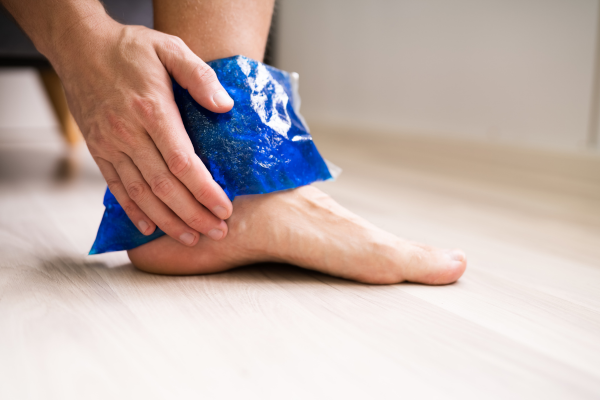
For a sprained ankle, ice may help relieve short-term pain and swelling during the first 48 hours. Heat is more appropriate after the acute phase, especially for relaxing tight muscles or aiding movement. But the key to faster recovery? Optimal loading, clear education, and a structured rehab plan.
What is an ankle sprain?
An ankle sprain happens when you overstretch or tear the ligaments supporting your ankle joint. This often occurs during sports that involve jumping or sudden changes of direction, like football, basketball, and netball.
But it’s not just athletes at risk, a simple misstep on your morning walk or stairs can do the same.

The ice vs heat debate: which one is right?
Why ice was traditionally used
For decades, ice was the go-to treatment for sprains. The idea was that cooling the area would:
- Reduce swelling
- Slow inflammation
- Prevent further tissue damage
However, recent studies (such as Wang & Ni, 2021) suggest that inflammation is essential for healing. Blocking this process too aggressively may delay recovery.
So, should you still use ice?
Yes, but with purpose. Ice may offer:
- Short-term pain relief
- Mild swelling control
- Comfort during the initial 24–48 hours
Apply for 10–15 minutes, every 2–3 hours. Avoid placing ice directly on the skin.
What about heat?
Heat therapy can:
- Increase blood flow
- Relax tight muscles
- Improve flexibility
But it’s not recommended in the early phase of a sprain, especially if there’s swelling. Heat is more useful later in recovery, or for chronic stiffness or tension around the ankle.

The real game-changer: active rehab over passive treatments
While ice and heat have their place, they aren’t the main focus of ankle sprain recovery. Evidence now strongly supports a more active, guided approach.
1. Optimal loading
Early, gradual movement is essential. Avoid complete rest. Controlled weight-bearing and movement help:
- Stimulate tissue healing
- Maintain mobility
- Prevent joint stiffness
Your physiotherapist will guide you through a safe progression of mobility, strength, and balance exercises.
2. Patient education
Understanding your injury empowers you to:
- Know what to expect
- Avoid re-injury
- Perform exercises correctly
- Recognise warning signs
3. Well-rounded rehab plan
At Lifecare, we take a comprehensive approach to treating ankle sprains. This includes:
- Manual therapy to support joint and soft tissue recovery
- Exercise prescription tailored to your sport, lifestyle, or goals
- Ongoing monitoring to progress safely
- Advice on footwear, activity modifications, and return-to-play protocols
Frequently asked questions (FAQs)
1. Should I use ice immediately after an ankle sprain?
Yes. Ice may help relieve pain and reduce swelling within the first 24–48 hours. Use it in short bursts and combine with elevation and compression.
2. Can I use heat for ankle pain after a sprain?
Heat is not recommended in the early stages of a sprain. Use it later to ease stiffness or muscle tightness, but always check with your physiotherapist first.
3. What does “optimal loading” mean?
It refers to gradually placing stress on the injured area in a controlled way. This helps tissues heal properly while restoring function.
4. How long does it take to recover from a sprained ankle?
Mild sprains may heal in 1–2 weeks. Moderate to severe sprains can take several weeks. A structured rehab plan can shorten recovery and prevent future injury.
5. When should I see a physiotherapist?
If your ankle is swollen, painful, unstable, or affecting your ability to walk, book a physiotherapy assessment. Early treatment leads to better outcomes.

Takeaway
There’s no single answer to the heat vs ice question. Instead, focus on what research shows works best:
- Use ice early for comfort
- Avoid heat during the acute phase
- Embrace active rehab, guided movement, and education
- Trust the process and your physiotherapist
Get back on your feet faster
If you’ve rolled your ankle or are unsure how to manage your injury, don’t wait. Book a physiotherapy assessment at your closest Lifecare clinic for a tailored recovery plan that works.
Written by Kylin O’Callaghan, Senior Physiotherapist – Lifecare Wembley
Kylin’s background in sports physiotherapy and experience running her own practice in South Africa allow her to provide tailored care for sports injuries, spinal pain, and post-operative rehabilitation, now incorporating Pilates into her treatment approach in Australia.