
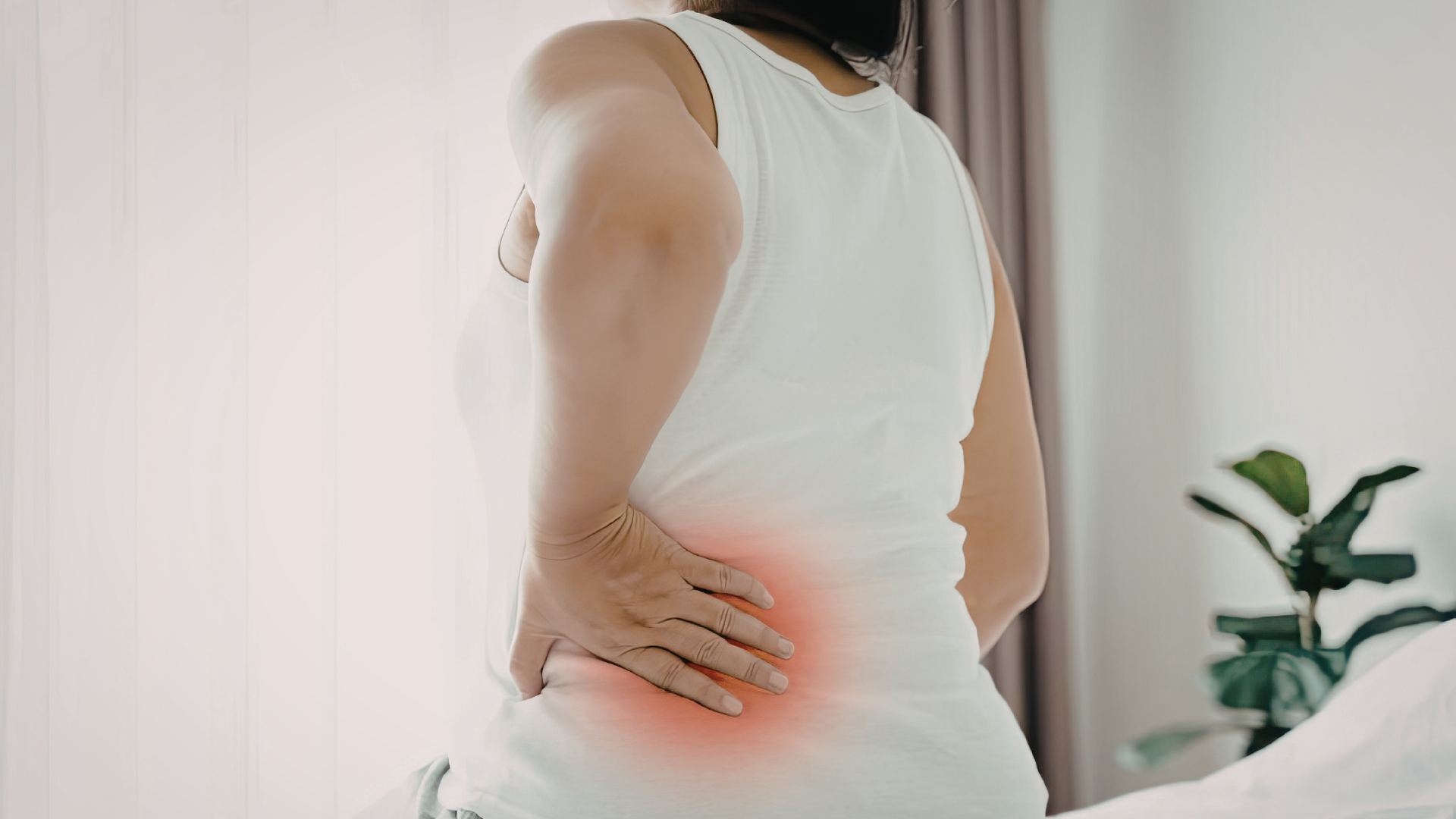
Most people experience lower back pain at some point in their lives. But what really happens when you have lower back pain?
Here’s what you need to know about your lower back pain, and how it can affect you.
What causes lower back pain?
It’s more of a complex question than you might expect. Essentially, we split back pain into two different types: specific and non-specific.
Non-specific lower back pain
This is the most common type of pain, and most people will experience it at least once in their lives.
Non-specific pain means the discomfort isn’t linked to a serious underlying condition or a specific structural problem. Instead, it often comes from a combination of factors such as:
- Muscle stiffness
- Joint stiffness
- Poor core strength
- Poor posture
- Reduced movement or prolonged sitting
Although it can feel concerning, non-specific lower back pain is often manageable with the right approach and guidance.
Specific lower back pain
Specific lower back pain has an identifiable cause and is linked to structural changes or injury.
Common examples include:
- Disc bulges
- Facet joint pain
- Spinal stenosis
- Nerve-related conditions
In these cases, a proper assessment is important to guide safe and effective treatment.
What can I do to treat this at home?
Keep in mind, this advice is general and best suited for non-specific lower back pain. For personalised care, it’s always recommended to speak with a healthcare professional.
Here are some simple strategies that may help:
Keep moving
Avoid staying in one position for too long. Try to:
- Get up every hour
- Go for short walks
- Perform gentle stretches regularly
Movement helps reduce stiffness and supports recovery.
Core strength
Improving your core strength can reduce strain on your lower back.
Our clinical Pilates sessions are designed to safely strengthen your core and improve stability under professional guidance.
Activity modification
Small adjustments to your daily routine can make a significant difference:
- Schedule regular movement breaks
- Balance activity with rest
- Adjust how you lift, sit, or perform tasks
These changes can help manage symptoms and prevent flare-ups.
How Lifecare physiotherapy can help
At Lifecare, our physiotherapists take a personalised and evidence-based approach to managing lower back pain.
We begin by identifying whether your pain is specific or non-specific, followed by creating a tailored treatment plan suited to your needs.
Your treatment may include:
- Hands-on therapy to relieve muscle tension and improve joint mobility
- Targeted exercise programmes to strengthen your core and support your spine
- Posture and movement coaching to reduce strain during daily activities
- Education and advice to help you understand your condition and prevent recurrence
Take the next step
Lower back pain can impact your daily life, but with the right support, it can be managed effectively.
Find Your Closest Lifecare Clinic today to start your recovery journey.
FAQs
Q. Is lower back pain serious?
A. Most lower back pain is non-specific and not linked to serious conditions, but persistent or severe pain should be assessed by a professional.
Q. Should I rest or stay active?
A. Staying active is generally recommended, as prolonged rest can increase stiffness and delay recovery.
Q. Can physiotherapy help lower back pain?
A. Yes, physiotherapy can help reduce pain, improve movement, and prevent future episodes through tailored treatment.