
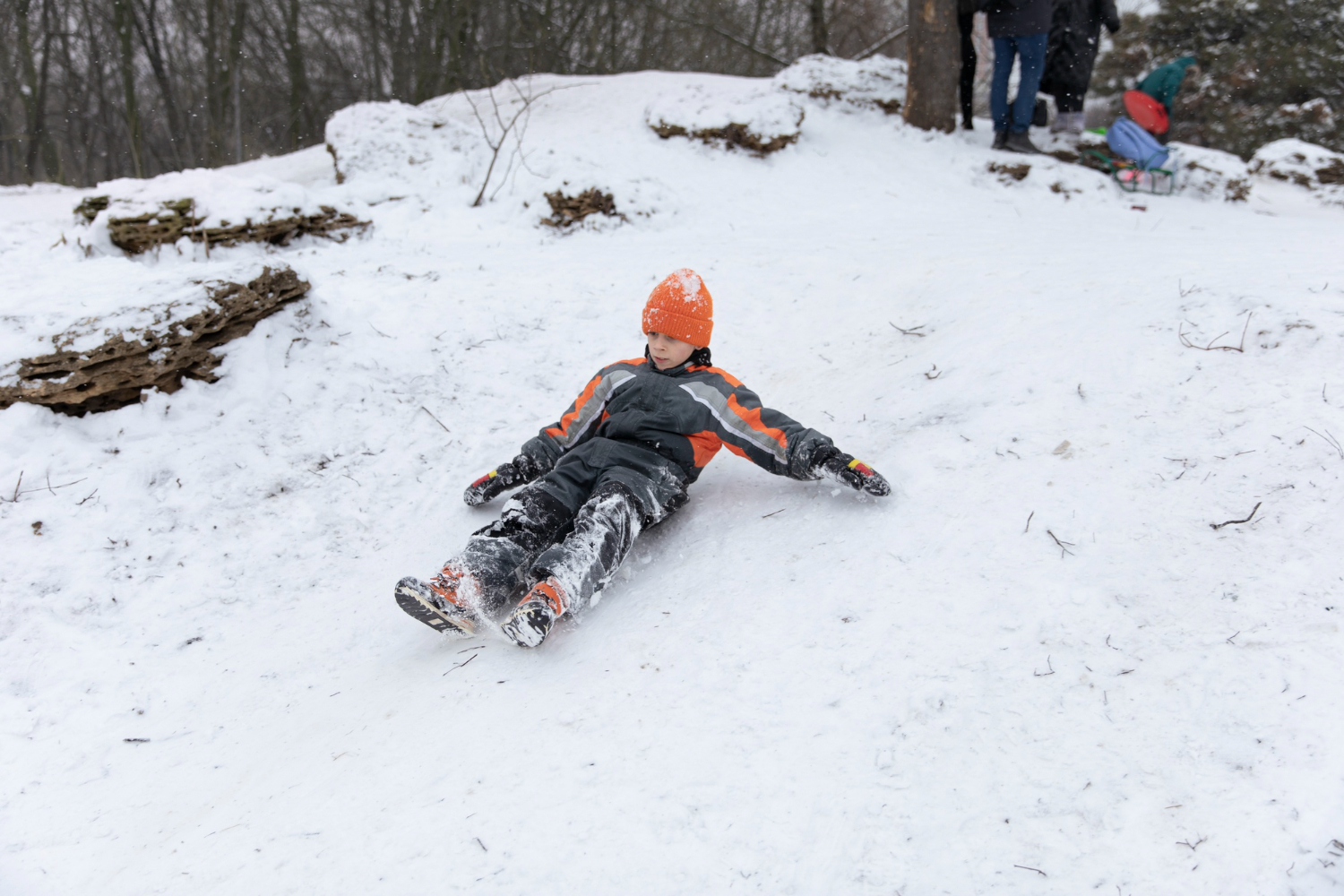
As temperatures drop and snow-covered landscapes draw outdoor enthusiasts to the mountains, winter sports offer a unique blend of adventure, fitness, and scenic beauty. Activities such as skiing, snowboarding, ice skating, and sledding attract millions each year, from beginners seeking excitement to seasoned athletes chasing new challenges. However, alongside the thrill and enjoyment comes an often-overlooked reality: winter sports also carry a significant risk of injury.
The combination of high speeds, slippery surfaces, unpredictable weather conditions, and varying levels of experience can create a perfect environment for accidents. From minor sprains and bruises to more serious injuries such as fractures, concussions, and ligament tears, the risks are diverse and can affect individuals of all skill levels. Understanding how and why these injuries occur is an important step toward prevention.
Incidence of injury while skiing and snowboarding?
Studies have shown that injuries to the shoulder and wrist are more commonly seen in skiers and snowboarders then injuries to the lower limbs. Injuries to the head and spine were more commonly associated injuries with skiing. Contact trauma from collisions with other skiers and fixed objects
What are the risk factors for snow sport injuries?
Injuries in winter sports often stem from a mix of physical, environmental, and equipment‑related risk factors. Poor conditioning and cold, tight muscles make strains and sprains more likely, while inexperience or overconfidence can lead athletes into terrain or speeds they aren’t ready for. Many accidents also trace back to improper or ill‑fitting equipment, such as loose bindings or helmets that don’t provide adequate protection.
Weather plays a major role – ice, fog, and low visibility increase the chance of falls and collisions-and fatigue or dehydration can slow reaction times just when precision matters most.
Choosing high‑risk terrain, skipping protective gear, or using alcohol on the slopes further amplifies danger. Understanding these factors helps athletes make safer choices and enjoy winter sports with fewer setbacks.
How to prevent injury during snow sports?
Staying injury‑free during winter sports starts with smart preparation and consistent safety habits. Dressing in layered, moisture‑wicking clothing helps maintain body temperature, while properly fitted helmets, wrist guards, and impact‑absorbing pads reduce the risk of fractures and head injuries. Warming up your muscles before hitting the slopes improves flexibility and lowers strain on joints and choosing terrain that matches your skill level prevents avoidable accidents. It also pays to keep your equipment in good condition-sharp edges, secure bindings, and well‑maintained boots make a real difference in stability and control. Finally, listening to your body and taking breaks when fatigued is one of the simplest ways to avoid slips, falls, and overuse injuries.