
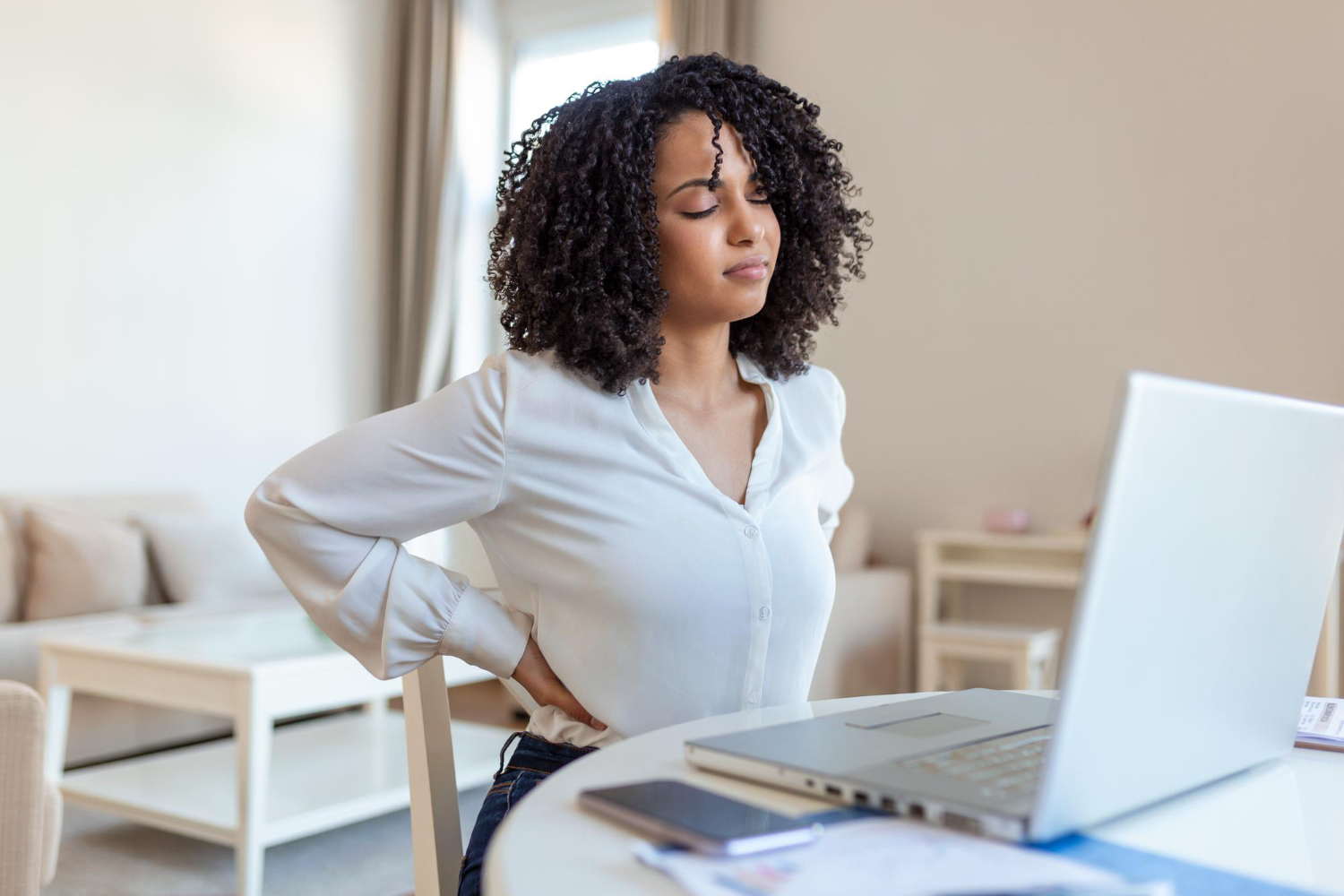
Back pain can be frustrating, but it is also highly manageable. The most effective home management for back pain combines gentle movement, sensible pacing, supportive posture, and simple exercises. Most back pain improves within a few weeks, but knowing what helps and what doesn’t, can make a meaningful difference and reduce recovery times.
Back pain is one of the most common reasons that Australians seek physiotherapy care. The good news is the most episodes are not dangerous and respond well to self-management. The below recommendations outline evidence-based strategies that you can use at home to reduce pain and remain active.
Understanding back pain
Back pain is rarely caused by serious structural damage. Research consistently demonstrates that in most cases, pain relates to a combination of tissue sensitivity, reduced movement, muscle guarding, stress, and changes in activity levels. These factors are modifiable, which means that you can have a real influence over your recovery. International clinical guidelines emphasise self-management, therapeutic exercise, and avoiding unnecessary imaging or bed rest and psychological interventions such as progressive muscle relaxation (Zhou et al., 2024).
Keep Moving
Movement is one of the most effective management tools for managing back pain. Prolonged rest can slow recovery and increase stiffness. This is strongly supported by recent systematic reviews showing that exercise combined with education are key elements when addressing lower back pain to reduce disability and fear of movement (Hernandez-Lucas et al., 2024).
Why does movement help? It reduces muscle tension and guarding, improves blood flow to soft tissues, calms the nervous system, and prevents deconditioning. Mild discomfort during movement is normal and safe; however, sharp and stabbing pain is often a sign to ease off.
What type of movement?
- Gentle walking is a great starting point
- Light household tasks
- Short, frequent movement rather than long sessions (think… little and often!)
Posture
There is no single “correct posture”. Typically relaxed, varied postures and confident movement patterns are more effective compared to rigid approaches. It is recommended that you change your position every 20-40 minutes, adjust your workstation to avoid reaching or twisting, and some people find comfort in using a rolled towel or cushion for lower back support if sitting is painful.
What may worsen pain is staying rigidly upright for long periods of time, slumping for hours without a break or holding your breath and bracing your core excessively as you move.
Pacing
Many people with back pain fall into a pattern of doing too much on “good days” and crashing on “bad days”. This is known as the boom-and-bust cycle. Instead, try breaking tasks into smaller manageable chunks, alternate between light and heavier duties, and gradually increase activity by 10-20% each week. If pacing is difficult, you may benefit from activity planning or an exercise diary to identify trends.
Simple Exercises for Back Pain
Below are safe, commonly recommended exercises supported by physiotherapy research. Movements should feel comfortable, loosening or mildly challenging, but not sharply painful.
- Knee rolls: lie on your back with knees bent, gently rock your knees side to side.
- Pelvic tilts: lie on your back with knees bent, gently rock your pelvis forward and backward.
- Cat Camel: On your hands and knees, slowly arch and round your back.
- Supported back extensions: stand with your hands on your hips and gently lean backward.
- Walking; short bursts of walking on flat ground can be useful to reduce fear of movement, improve quality of life (Alonso-Sal et al., 2024). Aim to start with 5 minutes and gradually build a minute per day if your pain is less then 3/10. Even better; finding a walking buddy can improve your social wellbeing.
Do’s and Don’ts
| Do | Don’t |
| Gentle movement with short rests | Complete bed rest |
| Heat packs for muscle tightness | High intensity exercise too early |
| Relaxed breathing | Catastrophic thinking (my back is damaged) |
| Gradual return to normal activities | Avoiding ALL bending and lifting |
If you are unsure whether an activity is safe, ask your physiotherapist about safe movement guidelines.
Home management vs when to seek professional care?
Self-management is suitable when pain is mild to moderate, gradually improving over days or weeks, you can still move, walk and perform basic tasks, and there is no history of significant trauma or red flags.
However, professional care from a physiotherapist or general practitioner should be sought if you experience:
- Pain that is severe and worsening, despite home care.
- Pain after a significant fall, accident, or trauma.
- Numbness, tingling, or weakness in the legs.
- Unexplained weight loss, fever, or feeling unwell.
- Pain that persists beyond 6-8 weeks.
It is important to note, sudden loss of bladder and bowel control, is classified as a medical emergency requiring urgent review at the hospital emergency room.
If you are unsure, please speak to a medical provider for personalised advice.
How may physiotherapy help?
A physiotherapist can help you understand your pain, provide a tailored exercise program to reduce tissue sensitivity, improve mobility and strength, address contributing factors such as work habits or stress and guide you through graded return to sport or work.
On your first visit, you can expect your physiotherapist to ask questions about your pain, including when it started, what makes it better or worse, your work, hobbies and daily activities and any previous injuries or medical history. This helps to identify the cause of your symptoms. This is usually followed by a physical examination that combines gentle movement tests, palpation of the affected area and explores strength, flexibility, and posture. Your physiotherapist will then discuss your personal tailored treatment plan, including education about the cause of your symptoms, what you can do safely at home and allow time for you to ask questions. This plan should outline expected recovery timeframes, how often you may need to attend and when to contact the clinic if your symptoms change.
References
Alonso-Sal, A. et al. (2024) ‘Effectiveness of physical activity in the management of Nonspecific Low Back Pain: A systematic review’, Medicina, 60(12), p. 2065. doi:10.3390/medicina60122065.
Hernandez-Lucas, P., et al. (2024). Prevention of non-specific back pain through exercise and education: A systematic review and meta-analysis. Journal of Back and Musculoskeletal Rehabilitation, 37(3), 585–598. doi:10.3233/bmr-230252 Zhou, T., Salman, D., & McGregor, A. (2024). Recent clinical practice guidelines for the management of low back pain: A global comparison. BMC Musculoskeletal Disorders, 25(1). doi:10.1186/s12891-024-07468-0
Olivia Randall is a physiotherapist at Lifecare Bentons. Olivia’s qualifications of a Bachelor of Physiotherapy and Bachelor of Exercise and Sports Science have enabled her to create individualised treatment plans which combine the use of hands-on therapy, clinical exercise and education to help patients return to normal function. Olivia has a special interest in the use of exercise prescription to assist patients with their recovery.