
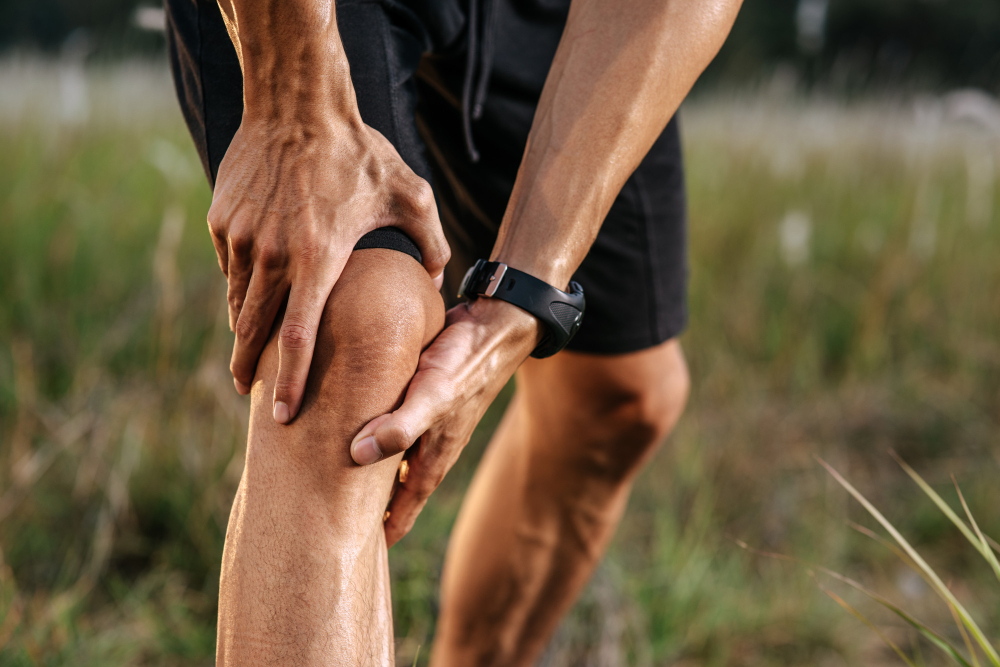
During recovery, rest, rehabilitation, and good clinical care are essential. Nutrition, particularly protein intake, plays a powerful and often overlooked role in how well our body recovers.
This blog explores why protein is vital for tissue repair, and practical ways to increase your daily intake. Understanding these principles can help you recover stronger, reduce recovery time, and support long-term health.
Why protein matters in injury recovery
Protein is one of the body’s fundamental building blocks. When you’re injured, your body enters a state of repair, working to rebuild damaged tissues, reduce inflammation, and restore strength.
During recovery, your protein needs increase because your body is working harder to repair the affected tissues. Without enough protein, healing can slow down, muscle loss can accelerate, and fatigue may increase.
How protein supports healing and rebuilding
- Repairing damaged tissues: Injuries such as muscle strains and surgical wounds all involve tissue breakdown. Protein supplies the amino acids required to repair these tissues.
- Preserving and rebuilding muscle: After injury we are often less active, whether due to pain, immobilisation, or rest. This leads to muscle loss. Adequate protein slows this loss as it’s readily available for muscle repair and rebuilding.
- Supporting immune function: Injury triggers inflammation, and your immune system becomes more active. Protein helps produce immune cells and enzymes that manage inflammation and protect against infection.
How to include more protein in your diet
1. Add protein to every meal
Aim for a source of protein 3 main meals each day. Examples include:
- Dairy: eggs, yoghurt, cottage cheese
- Meats: lean meats such as chicken, turkey, or beef
- Seafood: salmon, tuna
- Plant-based: tofu, tempeh, legumes
2. Choose high-protein snacks
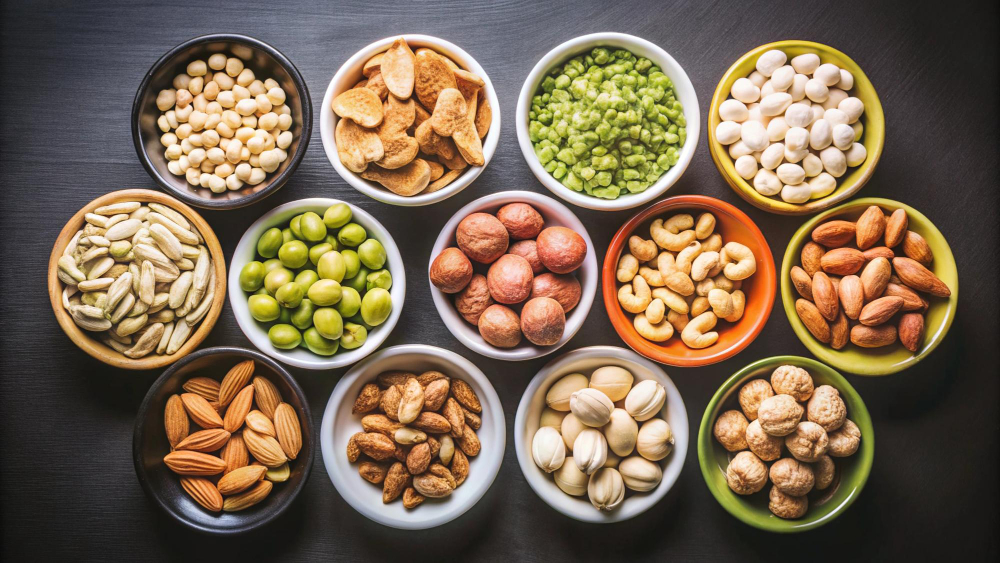
Snacks are an easy way to boost intake without feeling like you’re overeating, most people require at least 2 snacks each day to help meet their protein requirements, such as:
- Nuts and seeds
- Balanced smoothies
- Cheese and wholegrain crackers
- Hummus with vegetables
3. Consider protein supplements
Often a balanced diet with high-protein snacks is adequate, but some people with higher requirements may find it difficult to get enough protein through usual foods alone. This is when protein supplements may be useful. It’s safest to consult a dietitian to assess your individual needs before adding these into your diet.4. Increase plant-based protein sources.
4. Increase plant-based protein sources
If you follow a vegetarian or vegan diet, keep in mind that we need nine essential amino acids from protein that our body cannot create. Most plant protein sources are not “complete proteins,” so focus on mixing multiple sources, as each differs slightly and you’re more likely to achieve all nine essential amino acids throughout the day:
- Lentils, chickpeas, and beans
- Quinoa and buckwheat
- Soy products (complete proteins on their own)
- Nuts, seeds, and nut butters
When to seek guidance from a dietitian
If you’re recovering from an injury and unsure whether your nutrition is supporting your progress, an accredited dietitian can help. They can assess your activity level, injury type, and dietary habits to determine whether you’re meeting your protein needs.
You may benefit from professional advice if:
- Your recovery feels slower than expected
- You’re losing muscle or strength
- You have reduced appetite after injury or surgery
- You follow a restrictive diet (e.g., vegan, low-calorie)
- You’re returning to sport and want to optimise performance
Support your recovery with personalised care
If you’re recovering from an injury and want to ensure your nutrition is supporting your progress, the team at Lifecare is here to help. Our accredited dietitians and physiotherapists can work with you to create a personalised recovery plan tailored to your needs, goals, and lifestyle.
Find Your Closest Clinic to get started on your recovery journey today.