
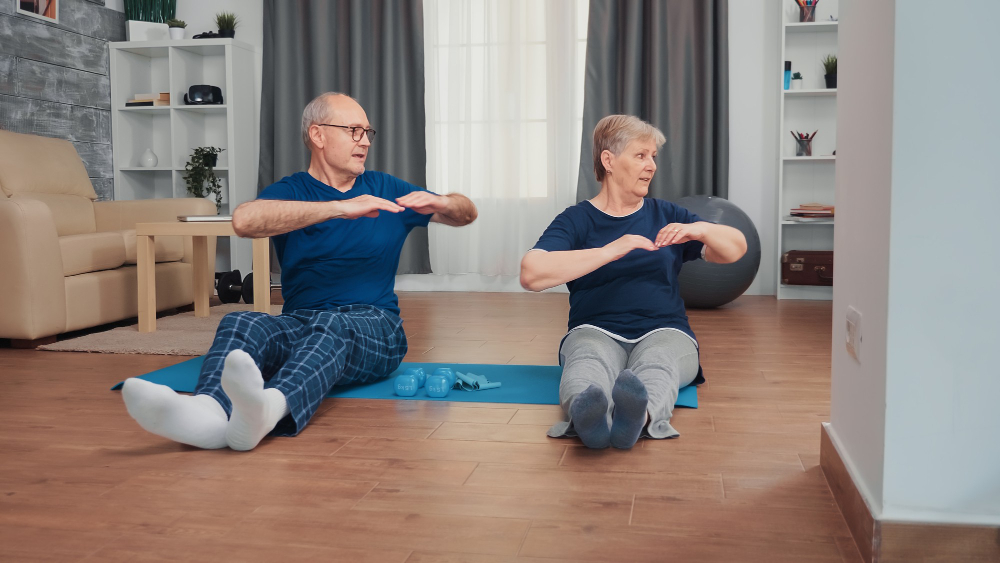
If you’re getting older, it’s completely normal to feel more cautious about exercise, especially lifting weights. You might worry about injury, pain, or making your bones worse.
But in my experience and the research shows that, strength training is one of the best ways for you to stay independent, mobile, and confident as you age.
As an accredited exercise physiologist, I see this regularly in the older adults and patients I work with every day.
Why strength training matters for you
As you get older, it’s normal to lose some muscle strength and bone density. Over time, that can make everyday life harder and can lead to:
- Reduced mobility
- Poor balance
- Increased risk of falls
- Loss of independence
What we know is that avoiding strength training can actually increase these risks, speeding up muscle loss and decline.
The good news is that this isn’t something you just have to accept. With the right program, strength training can help you stay stronger and more capable for longer.
“Am I too old to start strength training?”
This is one of the questions I hear most often.
I hear this all the time from people in their 60s, 70s, 80s and beyond. My answer is always the same:
You are never too old to build strength and make everyday movement easier.
When a program is tailored properly, strength training can be safe, effective, and realistic for you at any age.
Common worries I hear from older adults
If you feel unsure, you’re not alone. Many older adults I work with worry:
- “I might get injured”
- “Weights aren’t for someone like me”
- “I have osteoporosis – I should avoid lifting”
What I want you to know is this: with proper guidance, strength training can be safe, controlled, and tailored to your needs.
- Strength training is highly controlled and individualised
- Technique is closely monitored
- Progression is gradual and safe
In fact, I often see the opposite problem – avoiding resistance training can mean weaker bones, less confidence, and a higher fracture risk over time.
If you have osteoporosis
This is an area where there’s still a lot of confusion.
One of the biggest myths I hear is that if you have osteoporosis, you should avoid resistance training. In reality:
Bones need load to stay strong.
Safe, controlled loading helps bones become stronger and more resilient, which can reduce fracture risk.
With the right supervision, tailored exercise programs are safe and beneficial for many older adults.
What benefits you may notice
1. Improved balance and reduced falls
Strength training can help you feel steadier on your feet by improving your muscle strength, coordination, and stability.
2. Stronger bones
Regular resistance training can help maintain or improve bone density and lower fracture risk.
3. Greater independence
Everyday tasks like getting out of a chair, climbing stairs, or carrying shopping can feel easier when you get stronger.
4. Better quality of life
Many people also tell me they feel more confident, capable, and energetic once they get stronger.
What strength training can look like for you
It doesn’t have to mean lifting heavy weights in a gym. For many older adults, it starts with simple, practical exercises.
In my experience, the best programs are tailored to the person and may include:
- Sit-to-stand exercises
- Step-ups or stair training
- Resistance bands or machines
- Functional movements like squats or lifting tasks
The basics are simple:
- Start at your level
- Focus on good technique
- Progress gradually
- Stay consistent
Why getting the right guidance helps
In my experience, any movement helps – but if you’re not sure where to start, support from an accredited exercise physiologist or physiotherapist can make a big difference to your confidence and results.
They help by:
- Assessing individual needs and risks
- Designing personalised programs
- Ensuring correct technique
- Progressing exercises safely over time
I also find that supervised programs tend to lead to better mobility, balance, and confidence than trying to do it all alone.
Strength helps you stay independent
Strength training isn’t about lifting the heaviest weight. It’s about helping you stay strong enough to do the things you need and want to do each day.
It helps you:
- Stay on your feet
- Maintain independence
- Reduce injury risk
- Live with confidence and freedom
Final thought
After years of working with older adults, one thing is very clear to me:
Strength training may be life changing.
I’ve seen many older adults move better, feel stronger, and trust their bodies again with the right program-and that can make a real difference to daily life.
And the best part? If you’re thinking about starting, it’s not too late – and you do not have to do it alone.
By Scott Connolly – Accredited Exercise Physiologist at Lifecare ONTRAC Bowral